
Timber construction contributes to sector decarbonisation and sustainable forest value
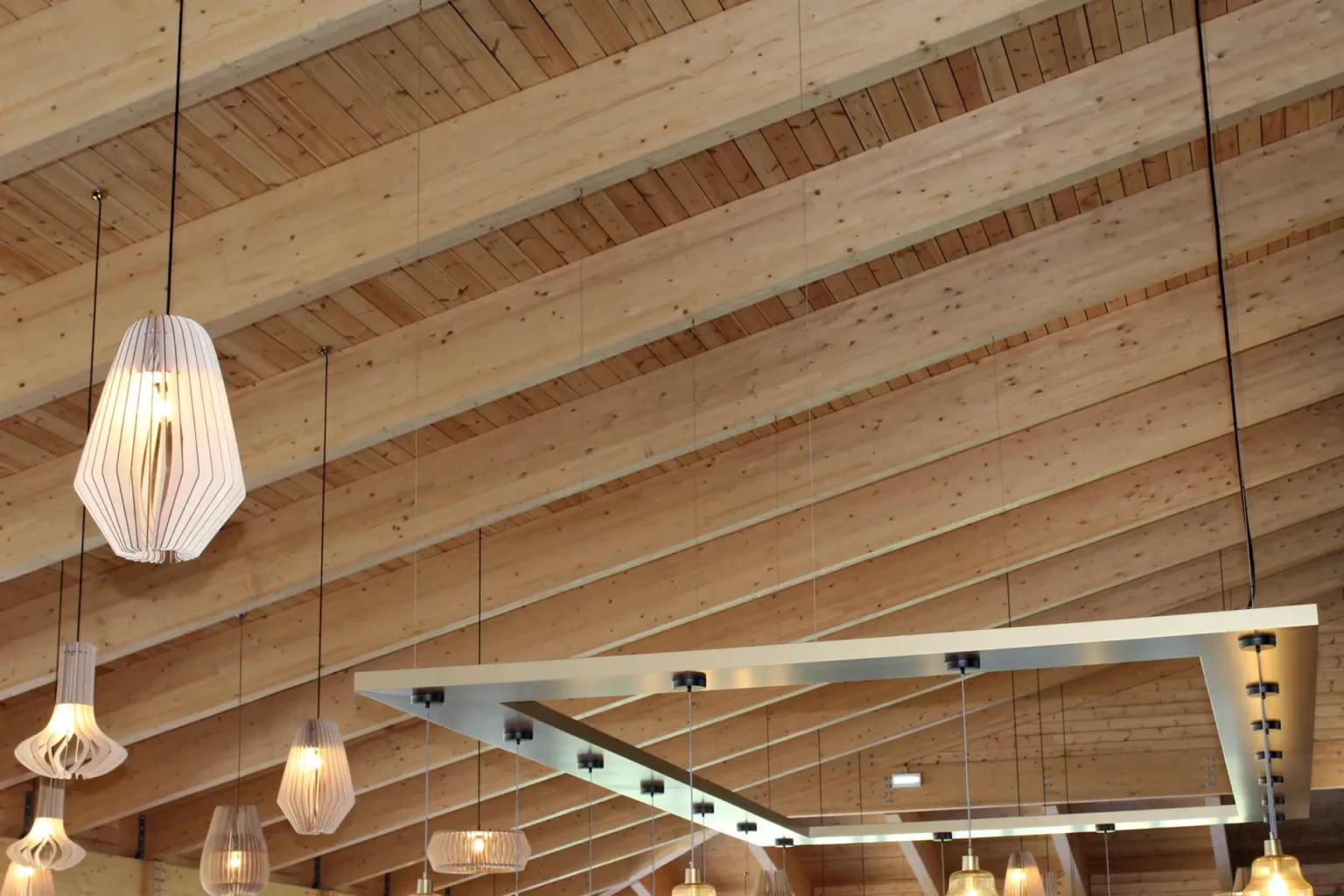
Building with timber is not simply about choosing a different material. It is about climate strategy, sustainable forestry, local economies and quality of life inside buildings.
Contrary to common belief, increasing timber construction — when sourced from sustainably managed forests — helps protect and enhance forest value.
CarmoForm works exclusively with FSC and PEFC certified timber, ensuring responsible forest management, environmental protection and social accountability.
Sustainable timber is part of the solution. Timber is a renewable natural resource. Sustainably managed forests operate under strict management plans, harvesting limits and rotation cycles to ensure regeneration exceeds extraction.
This ensures:
- continuous forest renewal
- biodiversity protection
- improved soil and water management
There is wood production today without compromising tomorrow’s availability.
FSC and PEFC certifications are the guarantee that this cycle is respected. When construction uses certified wood sourced from suppliers such as CarmoForm, it directly supports this economy: it pays the true value of the resource, creates jobs across the forestry value chain, and encourages owners and managers to care for the forest rather than abandon it.
Timber as a decarbonisation ally
Trees capture carbon dioxide from the atmosphere and store that carbon in their biomass. When this wood becomes part of a building, the carbon remains sequestered for decades, while new trees are planted and begin capturing more carbon dioxide again — creating a virtuous cycle of sustainable resource generation.
Compared to high-emission materials such as concrete and steel, timber enables:
- significantly reduce emissions associated with material production
- keep carbon stored in buildings throughout their entire service life
Lower the overall carbon footprint of the construction sector
Building with timber means transforming buildings into genuine carbon stores and giving the built environment an active role in tackling climate change.
The future of construction inevitably lies in timber solutions and in building systems that make use of renewable, low-environmental-impact materials. Without timber, this transition will be incomplete — if not practically impossible.
Faster, more efficient construction with lower impact
Timber construction, particularly through the use of modular systems and factory-manufactured prefabricated elements, makes it possible to significantly shorten construction timelines.
Among the advantages are:
- production of structural elements in a controlled environment
- rapid on-site assembly, with fewer days on site
- less noise, less dust and less waste
- greater predictability of costs and timelines
This translates into more efficient projects for developers, local authorities and end-users, with clear economic and environmental benefits. Faster construction also means less disruption for communities and a reduced impact on the surrounding environment.
More management, less abandonment: the role of timber in tackling wildfires
An unmanaged forest is more vulnerable to wildfires. Without clearing operations, fuel load management is absent, densities increase and continuous forest areas become difficult to control.
When timber has economic value:
- there is greater incentive to manage forests
- selective harvesting and thinning increase
- land-use mosaics are created, reducing fuel continuity
- monitoring and stewardship of the territory are strengthened
By promoting the use of FSC- and PEFC-certified timber, CarmoForm helps create the economic conditions required for forests to be actively managed. Rather than being a risk factor, the timber value chain becomes an important component of wildfire prevention and mitigation strategies.
Comfort and quality of life in timber buildings
Beyond environmental and economic benefits, timber enhances the experience of those who live or work in buildings.
Timber offers:
- more stable thermal comfort, with less sensation of cold in winter and overheating in summer
- superior acoustic comfort, with improved sound absorption and reduced perception of noise
- natural regulation of indoor humidity, contributing to healthier interior environments
- a sense of wellbeing associated with contact with natural materials
Living in a timber-built home tends to provide a better, more comfortable experience, closer to a healthy and welcoming environment. It is not only about technical performance, but about everyday quality of life.
Valuing timber means investing in the future of forests and construction
Building more in timber does not mean depleting forest resources. It means recognising their value, creating demand for FSC- and PEFC-certified timber and, in doing so, generating income for those who manage and care for the land.
When construction projects choose timber and work with specialists such as CarmoForm, the benefits are clear:
- supporting genuine decarbonisation of the sector
- encouraging good forest management and wildfire prevention
- contributing to faster, more efficient projects with less waste
- creating more comfortable and healthier buildings for occupants
Timber is a bridge between the city and the forest and a fundamental pillar of the future of construction. Using it responsibly is one of the most effective ways to protect this resource, generate value around it and build a more sustainable future for all.